For beginners entering the world of computer gaming, one of the first and most important decisions to make is choosing the right desktop configuration. The performance of your gaming experience heavily relies on the hardware specifications of your computer. In this article, we will guide you on the minimum and good enough configurations for gaming, helping you make an informed decision.
Minimum Configuration
When it comes to gaming, a minimum configuration refers to the bare minimum hardware specifications required to run games at a playable level. While these configurations may not offer the best performance, they can still allow you to enjoy a variety of games.
Here are the key components you should consider for a minimum gaming configuration:
Processor (CPU)
A quad-core processor with a clock speed of at least 2.5 GHz is generally considered the minimum requirement for gaming. However, for a smoother experience, it is recommended to go for a higher clock speed or a processor with more cores.
Graphics Card (GPU)
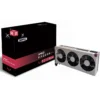
The graphics card plays a crucial role in gaming performance. For a minimum configuration, a graphics card with at least 2GB of VRAM should be sufficient. However, keep in mind that newer games may require more VRAM, so it’s always better to opt for a card with higher VRAM if your budget allows.
Memory (RAM)
For a minimum gaming configuration, 8GB of RAM is the standard requirement. This amount of memory should be enough to handle most games. However, if you plan on running multiple applications simultaneously or playing more demanding games, consider upgrading to 16GB of RAM.
Storage
While not directly impacting gaming performance, having a solid-state drive (SSD) instead of a traditional hard drive (HDD) can significantly improve loading times and overall system responsiveness.
Good Enough Configuration
If you want to take your gaming experience to the next level and enjoy more demanding games with higher graphics settings, a good enough configuration is what you should aim for. This configuration offers better performance and future-proofing.
Here are the key components you should consider for a good enough gaming configuration:
Processor (CPU)
For a good enough configuration, a high-performance processor with a clock speed of 3.5 GHz or higher is recommended. Look for processors with multiple cores, as they can handle more intensive tasks.
Graphics Card (GPU)
A good enough configuration requires a more powerful graphics card. Look for cards with at least 4GB or more VRAM. This will allow you to play modern games at higher resolutions and graphics settings.
Memory (RAM)
For a good enough configuration, 16GB of RAM is the ideal choice. This amount of memory will provide ample space for running games, background applications, and future-proof your system for upcoming game releases.
Storage
Consider investing in both an SSD and an HDD. Use the SSD for your operating system and frequently played games to benefit from faster load times, while the HDD can be used for storing larger game files and other data.
Conclusion
Choosing the right desktop configuration for gaming is crucial to ensure an enjoyable gaming experience. While a minimum configuration can get you started, investing in a good enough configuration will provide better performance, future-proofing, and the ability to play more demanding games. Remember to consider your budget, the types of games you want to play, and the longevity of your system when making your decision. With the right configuration, you can immerse yourself in the exciting world of gaming and enjoy countless hours of entertainment.